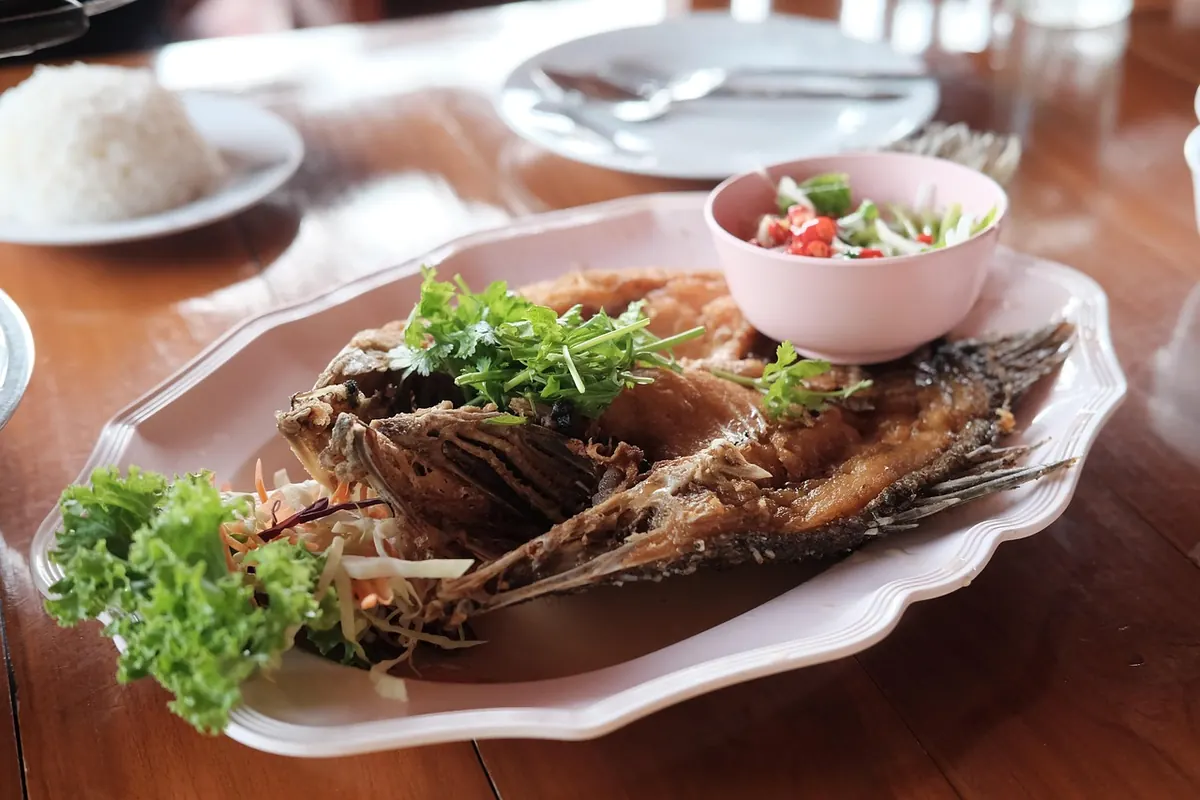
Fish and chips at home can be every bit as good as the shop version. It just isn't forgiving. The gap between crisp, golden and worth the effort, and a pale, greasy plate you'd rather forget, comes down to small things: a few degrees of oil temperature, a wet fillet, a hand that moves too soon. Most disappointments I hear about have nothing to do with talent or expensive equipment. They're the same handful of habits, repeated in the same order. Here are the ones that cause the most damage, and what to do instead.
1. The Oil Was Never Hot Enough, or It Cooled the Moment the Fish Went In
This is the single biggest cause of greasy batter. Oil that's too cool doesn't flash-seal the batter; it soaks in. The coating turns heavy, the fish steams inside, and the whole thing tastes of oil rather than of fish.
You want roughly 180°C (350°F) for fish and for the second chip fry. A thermometer is not a luxury here, it's the difference between guessing and knowing. If you don't have one, drop in a cube of stale bread: at the right temperature it should sizzle hard and brown in about thirty seconds.
Then watch what happens when the food goes in. Adding cold fish to hot oil drops the temperature fast. If it falls more than ten or fifteen degrees, you've overloaded the pan. Let it climb back before the next batch. And use a neutral oil with a high smoke point: rapeseed, sunflower or groundnut. Save the extra virgin olive oil for the salad.
2. The Pan Was Too Crowded
Two fillets in a small pan is one fillet too many. Crowding does three things at once: it drops the oil temperature, it traps steam between pieces, and it makes everything stick together into a batter pancake.
Fry in batches, even if it means people eat at slightly different times. Give each piece its own space and enough oil to float it. A deep, heavy saucepan filled no more than halfway works better than a wide frying pan with a shallow puddle.
3. The Chips Only Got One Fry
Pale, floppy chips are almost always undercooked chips. The double fry isn't fussiness, it's the whole trick: the first cook softens the inside, the second crisps the outside.
- Choose the right potato. Floury varieties give you the fluffy interior that chips need. Waxy salad potatoes will stay firm and glassy no matter what you do.
- Cut them evenly, roughly 1 to 1.5cm thick, so they finish at the same time.
- Rinse the starch off under cold water, then dry them properly with a tea towel. Wet chips spit in hot oil and steam instead of crisping.
- First fry at 130–140°C until they're soft and pale, with no colour at all. Lift them out and rest for at least ten minutes.
- Second fry at 180–190°C until deep gold and crisp. Salt the moment they come out.
Skipping the rest between fries is the other common shortcut. Those ten minutes let the inside steam off, which is what keeps the second fry from turning them soggy.
4. The Batter Was Beaten Like a Cake
A good batter is lumpy and slightly lazy. Beat it smooth and you develop gluten, which makes the coating tough, chewy and prone to holding oil instead of shedding it. Whisk until the flour is just combined, then stop. Small lumps will vanish during the rest.
Keep the ratio simple: roughly equal weights of plain flour and cold liquid, adjusted until the batter coats the back of a spoon and ribbons off it. Beer or sparkling water adds bubbles and lightness; a spoonful of cornflour or a pinch of baking powder helps the crust stay crisp. Use the liquid straight from the fridge and let the batter sit for twenty minutes before frying.
And make it last. Batter left standing in a warm kitchen goes flat and slack, and slack batter slides off the fish into the oil.
5. The Fish Went Into the Batter Wet
A wet fillet is a guaranteed soggy result. Water and hot oil don't mix, and the steam that escapes pushes the batter away from the fish.
Pat the fillets completely dry with kitchen paper, season them, then dust lightly with flour before dipping. That thin flour layer gives the batter something to grip. If you're using frozen fish, thaw it fully and dry it again; partially frozen fillets will drop your oil temperature and leave a pale, damp crust.
Cod, haddock, pollock and coley all work well. Cut fillets to a similar thickness so they cook through in the time it takes the batter to colour.
6. Everything Got Covered, Salted and Stacked Too Soon
You've fried it beautifully, then ruined it in thirty seconds by wrapping the lot in foil or piling it on a plate. Trapped steam softens the crust from the outside in.
- Drain on a wire rack over a tray, not on a flat layer of kitchen paper, which steams the underside.
- Never cover the food or put it in a closed oven to keep warm. If you must hold it, a low oven with the door slightly ajar and the food on a rack is the least damaging option.
- Salt after frying, not before. Salt draws moisture to the surface.
- Keep vinegar for the table. Add it early and the crust goes limp.
Serve it the moment it's ready. Fish and chips has a shelf life of about four minutes, and no amount of reheating will bring the crunch back.
The Order That Saves the Whole Batch
Most of these mistakes are really one mistake: doing things in the wrong order. Sort the sequence out and the rest follows.
- Get the oil heating and the thermometer in before you touch anything else.
- Cut, rinse and dry the chips, then blanch them at 130–140°C and set aside.
- Mix the batter and leave it to rest while you dry and flour the fish.
- Raise the oil to 180°C, fry the fish in small batches, and drain on a rack.
- Drop the chips back in for their second fry, salt both, and serve immediately.
Do that once and you'll notice which step you were skipping all along. Fix that one thing first, then the next. Two or three attempts in, the homemade version stops being a compromise and starts being the reason you'd rather stay in.